

Induktionskochfeld 4 Zonen Kaufen
Add a reviewOverview
-
Sectors Contract management
-
Posted Services 0
-
Viewed 8
-
Website Url
-
Industry the Startup Belongs to GH
Company Description
14 Businesses Are Doing A Fantastic Job At Self-contained Induction Hob Test
Self-Contained Induction Hob Test: A Comprehensive Overview
Introduction
As the cooking world progresses, so does the technology behind cooking home appliances. Amongst the notable advancements, induction hobs have actually emerged as a frontrunner in energy-efficient cooking options. This post looks into the complexities of self-contained induction hobs, discussing their features, benefits, common misunderstandings, and detailed testing method.
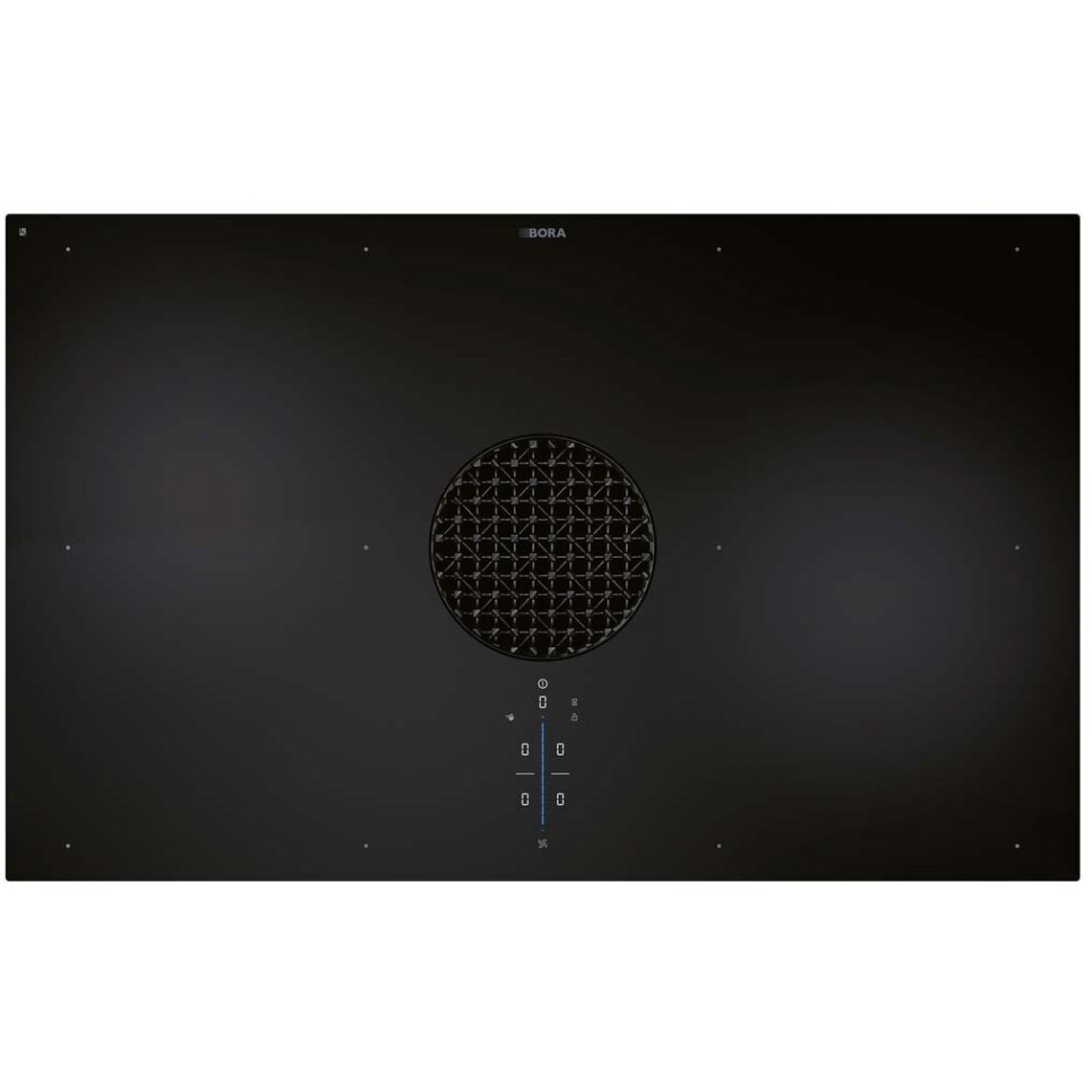
Comprehending Self-Contained Induction Hobs
What Is an Induction Hob?
An induction hob is a cooking surface area that uses electromagnetic induction to directly heat pots and pans. Unlike traditional gas or vixaro-versand.de electrical cooktops, which rely on heating components or flames, induction cooking warms the pots and pans itself, substantially enhancing efficiency and control over cooking temperature levels.
Self-Contained Induction Hobs
A self-contained induction hob is a standalone unit that integrates the cooking surface area and the necessary electrical parts in one compact gadget. These hobs are perfect for little kitchens, camping journeys, or for those who want versatility in cooking spaces.
Secret Features of Self-Contained Induction Hobs
- Safety: Induction hobs remain cool to the touch, minimizing the danger of burns.
- Energy Efficiency: Approximately 90% of energy is directed to the cookware, minimizing waste.
- Temperature Control: Fine-tuning heat settings is much faster and more precise compared to traditional approaches.
- Easy to Clean: The flat surface is simple to wipe down, and spills do not burn onto the surface area.
- Mobility: Many self-contained units are lightweight and compact, making them easy to transport.
Benefits of Using Self-Contained Induction Hobs
| Advantage | Description |
|---|---|
| Quick Cooking | Fast heating decreases cooking times significantly. |
| Environmental Impact | Lower energy use translates to a smaller sized carbon footprint. |
| Very Little Heat Loss | Less ambient heat keeps kitchen areas cooler, particularly in summer. |
| Flexibility | Can be used for different applications including but not restricted to indoor and outside cooking. |
| User-Friendly | User-friendly controls make them accessible for cooks of all levels. |
Checking Self-Contained Induction Hobs
Testing an induction hob needs a methodical technique to examine its efficiency, effectiveness, and security. The following requirements form the basis for a comprehensive examination.
Testing Methodology
Table 1: Performance Testing Criteria
| Criterion | Description |
|---|---|
| Heating Time | Step time required to boil water or reach preferred temperature. |
| Temperature Control | Analyze the accuracy and responsiveness of temperature settings. |
| Energy Consumption | Screen energy use throughout the cooking duration. |
| Security Features | Evaluate automated shut-off, surface area temperature level, and safety lock systems. |
| Alleviate of Use | Evaluate the user interface, control layout, and instruction clarity. |
| Mobility | Examine the weight and general ease of motion. |
Testing Process
-
Heating Time
- Start by filling a standard pot with a particular volume of water (e.g., 1 liter).
- Record the time taken to reach a rolling boil.
- Repeat the test under numerous settings to determine consistency.
-
Temperature level Control
- Set the induction hob to numerous temperature level levels (e.g., low, medium, high).
- Utilize an infrared thermometer to confirm the temperature precision of the cooking surface and cookware.
-
Energy Consumption
- Utilize a power meter to track energy usage during cooking.
- Compare this information versus traditional cooking approaches, if relevant.
-
Safety Features
- Test the automatic shut-off function by switching off the hob during use.
- Assess the surface area temperature level after preparing to ensure very little burns.
-
Reduce of Use
- Take part in a user test, involving newbie and knowledgeable cooks, to get feedback on control usability and clearness.
-
Mobility
- Evaluate the hob for weight, size, and the effectiveness of features like cord storage for simple transport.
Analysis of Results
After carrying out the tests, put together the information into a comprehensive report that summarizes the findings.
Table 2: Summary of Test Results
| Feature | Findings |
|---|---|
| Heating Time | 1 liter of water boiled in 4 minutes at maximum setting. |
| Temperature Control | ± 1 ° C discrepancy from set temperature reported. |
| Energy Consumption | 1500 W average use during peak cooking. |
| Safety Features | Automatic shut-off activated after 10 minutes of lack of exercise. |
| Alleviate of Use | 90% of users discovered controls user-friendly and helpful. |
| Portability | Weighs 4 kg, compact dimensions of 60 cm x 40 cm. |
FAQs About Self-Contained Induction Hobs
-
Q: Are all pots and pans types compatible with induction hobs?
- A: No, pots and pans needs to be ferrous (magnetic). Stainless-steel and cast iron are typically compatible, while glass, ceramic, and aluminum without a magnetic base are not.
-
Q: Can induction hobs be utilized outdoors?
- A: Yes, supplied there’s access to a suitable power source. Numerous portable models are created for outdoor use.
-
Q: Are self-contained induction hobs energy efficient?
- A: Yes, induction hobs are more energy-efficient than other cooking techniques, utilizing nearly 90% of the energy generated effectively.
-
Q: What maintenance is needed for induction hobs?
- A: Regularly tidy the surface after use to avoid stains and scratches. Avoid abrasive cleaners.
-
Q: Do induction hobs make sounds?
- A: Some might produce a slight buzzing sound when in use, which is typical and might vary based on the cooker’s power settings.
Self-contained induction hobs represent a considerable advancement in cooking innovation, providing safe, efficient, and convenient cooking choices. Through methodical testing and evaluation, these flexible devices can fulfill the demands of modern-day cooking practices. As innovation continues to advance, the advantages of induction cooking are vast, affecting sustainability and boosting the total cooking experience.