

Victorian Garden Conservatory
Add a reviewOverview
-
Sectors Digital Marketing and Business Development
-
Posted Services 0
-
Viewed 9
-
Website Url
-
Industry the Startup Belongs to CU
Company Description
You’ll Never Guess This Victorian Greenhouse Builders’s Tricks
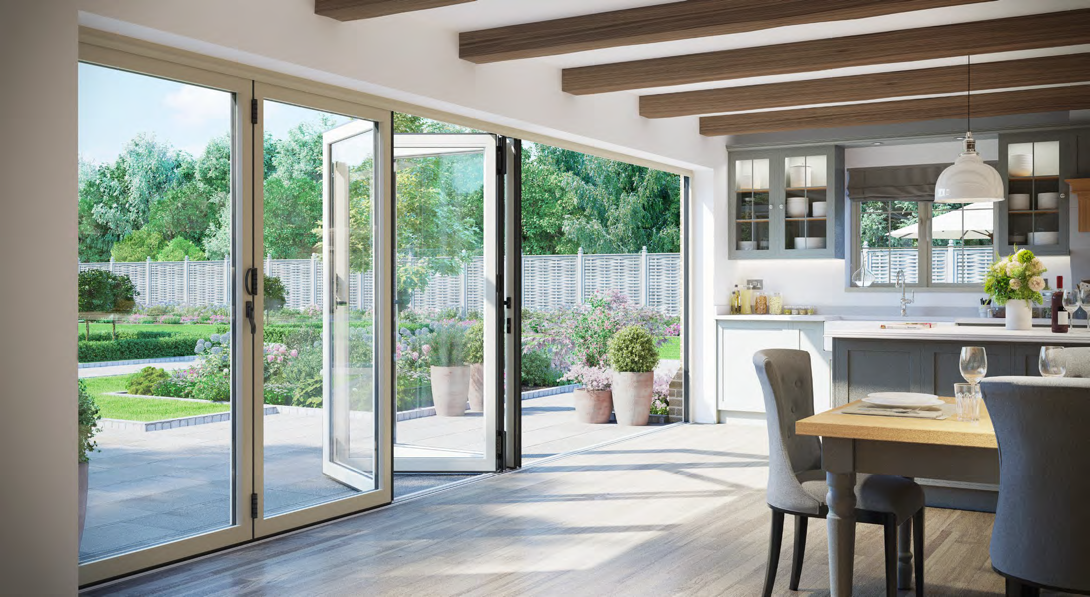
Victorian Greenhouse Builders: The Legacy of Architectural Ingenuity
Victorian greenhouses are not simply structures for cultivating plants; they are emblematic of an era that intertwined visual appeals, performance, and the burgeoning interest in horticulture. Developed during the 19th century, these glasshouses showcase architectural innovation and a devoted commitment to the art of gardening. This blog post looks into the remarkable world of Victorian Glass Conservatory greenhouse builders, their methods, products, and the lasting impact of their work.
The Victorian Era: A Brief Overview
The Victorian Inspired Garden Room Installers era, spanning from 1837 to 1901 during Queen Victoria’s reign, was marked by profound social, economic, and technological changes. The Industrial Revolution transformed farming, production, and transport, allowing for a shift in how people engaged with nature and gardening.
Key Features of the Victorian Greenhouse
| Feature | Description |
|---|---|
| Materials | Predominantly glass, wrought iron, and wood. |
| Design | Elaborate ornamental styles with Gothic, Renaissance, and Neo-classical influences. |
| Performance | A concentrate on health and science, extending the growing season and facilitating plant growing. |
| Ventilation & & Heating | Innovations such as flue systems and side vents for preserving optimal conditions. |
The Role of Greenhouse Builders
Victorian greenhouse builders played a vital role in the development of these iconic structures. Craftsmen, architects, and gardeners collaborated to craft greenhouses that were both artistically pleasing and practically effective.
Significant Builders and Their Contributions
-
Joseph Paxton
- Contribution: Known for developing the Crystal Palace for the Great Exhibition of 1851, Paxton’s usage of modular glass and cast iron ended up being a plan for greenhouse architecture.
-
Richard Turner
- Contribution: An Irish designer and home builder, Turner developed some of the most lavish Victorian conservatories in Europe, understood for their elaborate ironwork and gorgeous flower themes.
-
W. G. Thomas
- Contribution: Thomas brought together performance and visual appeal, focusing on incorporating greenhouses within the broader landscape of Victorian Modular Conservatory Installers estates.
The Impact of Victorian Greenhouses
Victorian greenhouses were more than basic structures; they were cultural artifacts of their time. They showed the era’s fascination with nature, scientific advancement, and a shift towards an appreciation of plants that ended up being symbols of status and elegance.
Significant Influences
| Influence | Description |
|---|---|
| Scientific Inquiry | Botany and gardening rose in appeal, causing the formal classification of plants. |
| Economic Changes | The increase of horticultural societies and nurseries used varied plants, affecting greenhouse designs. |
| Social Status | Wealthy households developed greenhouses as a status symbol, enabling them to cultivate exotic plants from around the world. |
Regularly Asked Questions
What materials were mostly used in Victorian greenhouses?
Victorian greenhouses were mainly built from glass and wrought iron or steel. These materials enabled for adequate sunshine while providing structural integrity.
How did Victorian greenhouses differ from contemporary greenhouses?
Victorian greenhouses primarily focused on visual appeal and decorative design, whereas modern-day structures prioritize energy performance, automation, and practicality.
What plants were typically grown in Victorian greenhouses?
Popular plants consisted of tropical ranges such as orchids and ferns, as well as fruits and veggies cultivated out of season.
Were Victorian greenhouses simply for visual purposes?
While they were definitely stunning, Victorian greenhouses were likewise practical spaces designed for scientific query and extended growing seasons.
How did Victorian greenhouse builders influence gardening today?
Their innovative designs and commitment to incorporating technology and aesthetics led the way for modern greenhouse architecture, with many methods and materials still in use today.
The Aesthetic Appeal of Victorian Greenhouses
Beyond performance, the aesthetic qualities of Victorian Garden Conservatory greenhouses can not be ignored. These structures were often located in gardens, boosting the landscape while serving as a centerpiece for visitors. Builders utilized a variety of ornamental accents, from complex ironwork to stained glass windows, adding a sense of magnificence.
Architectural Styles in Victorian Greenhouses
| Style | Description |
|---|---|
| Gothic Revival | Defined by pointed arches and elaborate detailing, typically providing a cathedral-like feel. |
| Italianate | Featured low roofing systems and broad eaves, often integrating ornamental brackets. |
| Ornamental | Consisted of ornamental components like finials, crestings, and elaborate facades. |
Conclusion: The Enduring Legacy of Victorian Greenhouses
The significance of Victorian greenhouse builders extends far beyond their instant contributions; they represented a transformative period in the relationship between human beings and nature. These structures embody architectural innovation and a deep appreciation for cultivation. A number of these greenhouses still stand today, acting as tips of a time when gardening was raised to an art.
Final Reflections
As the world increasingly recognizes the significance of sustainable living and green areas, the legacy of Victorian greenhouse builders becomes a lot more relevant. Their styles continue to motivate modern-day gardeners, architects, and gardening lovers alike. Through comprehending their contributions, people can much better value the architectural and cultural narratives woven into these gorgeous glasshouses. Whether as an area for cultivating unique plants or a peaceful area for reflection, Victorian greenhouses stay timeless treasures that boost the fabric of our landscapes.
